The evolution of gambling A journey through its history
The Origins of Gambling
The origins of gambling can be traced back to ancient civilizations, where games of chance were deeply intertwined with social rituals and community events. Historical records suggest that around 3000 BC, the Chinese were playing with rudimentary dice made of bone, which laid the groundwork for future gambling practices. Similarly, ancient Egyptians engaged in gambling activities that involved betting on the outcomes of events, marking the initial intersection of chance and economic activity. When discussing the topic, it’s important to consider whether Do all casinos ask for ID? since verification practices have evolved significantly.

As societies evolved, so did gambling. The Romans introduced a more structured approach, with dice games becoming commonplace during their grand festivities. They even legalized certain forms of gambling, reflecting a societal acceptance that would influence future generations. This acceptance opened doors for various games, from betting on gladiatorial contests to wagering on chariot races, underscoring gambling’s significance in both recreational and economic realms.
By the Middle Ages, gambling had further transformed. Card games, believed to have originated in Asia, made their way to Europe, changing the dynamics of gambling. The introduction of playing cards led to a rise in gambling houses, where individuals could gather to enjoy games of chance. This burgeoning culture of gambling not only entertained but also prompted discussions on morality and governance, a duality that has continued to shape gambling’s evolution.
The Rise of Regulated Gambling
As societies recognized the financial potential and social implications of gambling, the need for regulation became apparent. In the 16th century, European countries began to impose laws governing gambling activities. This was a pivotal moment, as governments aimed to curb illegal gambling and ensure that taxation on gaming could contribute to public funds. This regulatory framework established a foundation for modern gambling practices, balancing freedom and responsibility.
The establishment of lotteries in the 17th century is a testament to this regulatory evolution. Initially created to fund public projects, these lotteries captured public interest and quickly became a popular means of gambling. By the 18th century, lotteries were thriving across Europe and the Americas, providing a glimpse into how gambling could be organized for the greater good. The fusion of state regulation and public interest highlighted gambling’s dual role as both a leisure activity and a revenue source.
By the 19th century, the gaming landscape continued to diversify with the introduction of casinos, particularly in France and Italy. These establishments offered a variety of games, including roulette and blackjack, and catered to the elite. The evolution of these regulated gambling venues marked a significant shift in public perception, as they became social hubs where individuals could partake in games while adhering to established laws. This transformation laid the groundwork for the modern casino experience.
The Impact of Technological Advancements
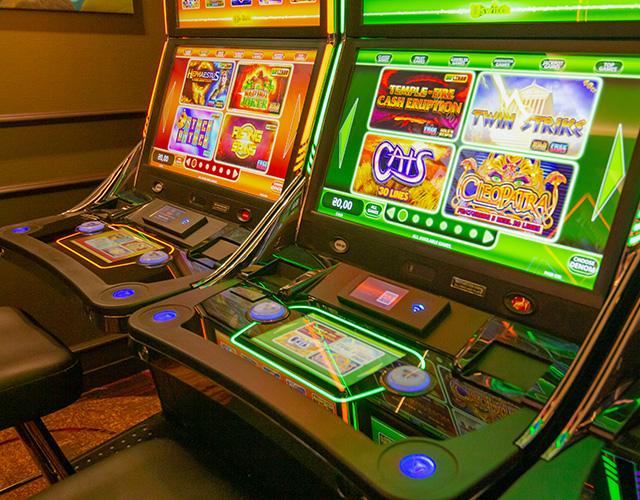
The 20th century heralded a wave of technological advancements that would revolutionize the gambling industry. The invention of the slot machine in the late 1800s marked a significant turning point, allowing individuals to engage in gambling with minimal effort. These machines quickly became a staple in bars and establishments, drawing people in with their simplicity and allure. This innovation set the stage for the multi-billion-dollar gaming industry we see today.
With the advent of the internet in the late 20th century, gambling underwent a transformation that was previously unimaginable. Online casinos emerged, offering players the chance to gamble from the comfort of their homes. This not only broadened the reach of gambling but also introduced new forms of gameplay, including live dealer options. The digital realm removed geographical barriers, allowing individuals from different parts of the world to engage in games and tournaments.
The rise of mobile technology further accelerated this trend, enabling players to access gambling platforms through smartphones and tablets. This shift has created a more immersive and convenient gaming experience, as players can now engage in their favorite games anytime and anywhere. The impact of technology on gambling is profound, not only changing how games are played but also influencing the social dynamics surrounding gambling, from online communities to the emergence of streaming platforms.
The Debate Over Online vs. Offline Gambling
As online gambling gained popularity, it sparked a debate over its advantages and disadvantages compared to traditional offline gambling. Proponents of online gambling argue that it offers unparalleled convenience and accessibility. Players can choose from a vast array of games without the need to travel to a physical location. Additionally, online platforms often provide bonuses and promotions that enhance the gaming experience, attracting a wider audience.
However, critics raise concerns about the potential for addiction and the lack of face-to-face interaction. They argue that the immersive experience of traditional casinos, with their social atmosphere and sensory engagement, is irreplaceable. The tactile experience of handling chips, the sounds of the casino floor, and the camaraderie among players create a unique environment that online gaming cannot replicate. This dichotomy raises important questions about the future of gambling and its societal implications.
Ultimately, both online and offline gambling have their merits and drawbacks. As technology continues to evolve, the lines between these two forms may blur even further, with hybrid models emerging that combine the best of both worlds. Understanding the nuances of this ongoing debate is crucial for players, regulators, and the industry as a whole as they navigate the ever-changing landscape of gambling.
Your Gateway to Exciting Online Gambling
In today’s rapidly evolving gambling scene, finding a reliable online platform is essential for an enjoyable gaming experience. No KYC Casino stands out as a premier destination for players seeking thrilling opportunities without the hassle of traditional verification processes. With a vast selection of games exceeding 8,900 options, players can explore everything from classic slots to innovative table games.
What sets No KYC Casino apart is its commitment to player freedom. By eliminating the need for identification checks, it provides an avenue for enthusiasts to engage in gaming without unnecessary obstacles. Furthermore, the platform ensures fast withdrawal times, allowing players to access their winnings in as little as 0-24 hours. This commitment to efficiency and player satisfaction enhances the overall gaming experience.
Whether you’re a seasoned gambler or a newcomer, No KYC Casino offers an expansive range of choices, generous bonuses, and a user-friendly interface. As the gambling landscape continues to evolve, platforms like this provide a glimpse into the future of gaming, one that prioritizes accessibility and enjoyment for all players. Discover the excitement today and embark on your gambling journey!
Leave a Reply