/** * Twenty Twenty-Four functions and definitions * * @link https://developer.wordpress.org/themes/basics/theme-functions/ * * @package Twenty Twenty-Four * @since Twenty Twenty-Four 1.0 */ /** * Register block styles. */ if ( ! function_exists( 'twentytwentyfour_block_styles' ) ) : /** * Registers custom block styles. * * @since Twenty Twenty-Four 1.0 * @return void */ function twentytwentyfour_block_styles() { register_block_style( 'core/details', array( 'name' => 'arrow-icon-details', 'label' => __( 'Arrow icon', 'twentytwentyfour' ), /* * Styles for the custom Arrow icon style of the Details block */ 'inline_style' => ' .is-style-arrow-icon-details { padding-top: var(--wp--preset--spacing--10); padding-bottom: var(--wp--preset--spacing--10); } .is-style-arrow-icon-details summary { list-style-type: "\2193\00a0\00a0\00a0"; } .is-style-arrow-icon-details[open]>summary { list-style-type: "\2192\00a0\00a0\00a0"; }', ) ); register_block_style( 'core/post-terms', array( 'name' => 'pill', 'label' => __( 'Pill', 'twentytwentyfour' ), /* * Styles variation for post terms * https://github.com/WordPress/gutenberg/issues/24956 */ 'inline_style' => ' .is-style-pill a, .is-style-pill span:not([class], [data-rich-text-placeholder]) { display: inline-block; background-color: var(--wp--preset--color--base-2); padding: 0.375rem 0.875rem; border-radius: var(--wp--preset--spacing--20); } .is-style-pill a:hover { background-color: var(--wp--preset--color--contrast-3); }', ) ); register_block_style( 'core/list', array( 'name' => 'checkmark-list', 'label' => __( 'Checkmark', 'twentytwentyfour' ), /* * Styles for the custom checkmark list block style * https://github.com/WordPress/gutenberg/issues/51480 */ 'inline_style' => ' ul.is-style-checkmark-list { list-style-type: "\2713"; } ul.is-style-checkmark-list li { padding-inline-start: 1ch; }', ) ); register_block_style( 'core/navigation-link', array( 'name' => 'arrow-link', 'label' => __( 'With arrow', 'twentytwentyfour' ), /* * Styles for the custom arrow nav link block style */ 'inline_style' => ' .is-style-arrow-link .wp-block-navigation-item__label:after { content: "\2197"; padding-inline-start: 0.25rem; vertical-align: middle; text-decoration: none; display: inline-block; }', ) ); register_block_style( 'core/heading', array( 'name' => 'asterisk', 'label' => __( 'With asterisk', 'twentytwentyfour' ), 'inline_style' => " .is-style-asterisk:before { content: ''; width: 1.5rem; height: 3rem; background: var(--wp--preset--color--contrast-2, currentColor); clip-path: path('M11.93.684v8.039l5.633-5.633 1.216 1.23-5.66 5.66h8.04v1.737H13.2l5.701 5.701-1.23 1.23-5.742-5.742V21h-1.737v-8.094l-5.77 5.77-1.23-1.217 5.743-5.742H.842V9.98h8.162l-5.701-5.7 1.23-1.231 5.66 5.66V.684h1.737Z'); display: block; } /* Hide the asterisk if the heading has no content, to avoid using empty headings to display the asterisk only, which is an A11Y issue */ .is-style-asterisk:empty:before { content: none; } .is-style-asterisk:-moz-only-whitespace:before { content: none; } .is-style-asterisk.has-text-align-center:before { margin: 0 auto; } .is-style-asterisk.has-text-align-right:before { margin-left: auto; } .rtl .is-style-asterisk.has-text-align-left:before { margin-right: auto; }", ) ); } endif; add_action( 'init', 'twentytwentyfour_block_styles' ); /** * Enqueue block stylesheets. */ if ( ! function_exists( 'twentytwentyfour_block_stylesheets' ) ) : /** * Enqueues custom block stylesheets. * * @since Twenty Twenty-Four 1.0 * @return void */ function twentytwentyfour_block_stylesheets() { /** * The wp_enqueue_block_style() function allows us to enqueue a stylesheet * for a specific block. These will only get loaded when the block is rendered * (both in the editor and on the front end), improving performance * and reducing the amount of data requested by visitors. * * See https://make.wordpress.org/core/2021/12/15/using-multiple-stylesheets-per-block/ for more info. */ wp_enqueue_block_style( 'core/button', array( 'handle' => 'twentytwentyfour-button-style-outline', 'src' => get_parent_theme_file_uri( 'assets/css/button-outline.css' ), 'ver' => wp_get_theme( get_template() )->get( 'Version' ), 'path' => get_parent_theme_file_path( 'assets/css/button-outline.css' ), ) ); } endif; add_action( 'init', 'twentytwentyfour_block_stylesheets' ); /** * Register pattern categories. */ if ( ! function_exists( 'twentytwentyfour_pattern_categories' ) ) : /** * Registers pattern categories. * * @since Twenty Twenty-Four 1.0 * @return void */ function twentytwentyfour_pattern_categories() { register_block_pattern_category( 'twentytwentyfour_page', array( 'label' => _x( 'Pages', 'Block pattern category', 'twentytwentyfour' ), 'description' => __( 'A collection of full page layouts.', 'twentytwentyfour' ), ) ); } endif; add_action( 'init', 'twentytwentyfour_pattern_categories' ); Exploring the psychology behind why we gamble understanding the motivations and behaviors – My blog

Exploring the psychology behind why we gamble understanding the motivations and behaviors

Exploring the psychology behind why we gamble understanding the motivations and behaviors

The Thrill of Risk

One of the most compelling reasons people engage in gambling is the thrill associated with risk-taking. The excitement of potentially winning big can stimulate the brain’s reward system, leading to a rush that many find irresistible. This adrenaline rush can create a euphoric feeling, encouraging individuals to gamble more in pursuit of that high. For some, the risk itself becomes a motivating factor, as the uncertainty of the outcome adds an element of excitement to the experience. Many beginners explore options like https://playslotstars.com/app/, hoping to understand the basics of the casino environment.

The psychological appeal of risk-taking can be traced back to human nature, where individuals often seek out activities that challenge their limits. This quest for exhilaration is prevalent across various demographics and can manifest in different forms, from casual lottery tickets to high-stakes poker games. Understanding this thrill helps explain why some people are drawn to gambling as a source of entertainment and adventure.

The Allure of Winning

The prospect of winning is a powerful motivator that drives many to gamble. Whether it’s the chance to win a life-changing jackpot or simply a smaller, more manageable prize, the allure of winning can be intoxicating. This desire is amplified by stories of others who have experienced significant wins, further fueling the belief that success is attainable. Such narratives create a psychological environment where individuals feel inspired to take their chances, often overlooking the statistical realities of losing.

Moreover, the concept of near misses—situations where players come close to winning—can also enhance the gambling experience. These instances reinforce the belief that winning is just around the corner, encouraging players to continue trying their luck. This cycle of hope and expectation plays a critical role in maintaining engagement with gambling activities, even when faced with repeated losses.

Social Influences and Community

The social aspect of gambling cannot be overlooked, as many people are drawn to gambling as a social activity. Participating in games with friends or meeting new people at a casino can create a sense of camaraderie that enhances the overall experience. In many cultures, gambling is intertwined with social gatherings and celebrations, further solidifying its appeal as a communal activity.

Additionally, the presence of peers can influence individual behaviors, leading to increased participation in gambling activities. Social dynamics, such as competition and shared excitement, contribute to a heightened sense of engagement. This communal aspect can make gambling feel less risky and more like an enjoyable pastime, encouraging individuals to partake even if they might otherwise avoid it.

Emotional Coping Mechanism

For some, gambling serves as a means of escaping emotional distress or coping with life’s challenges. The act of gambling can provide a temporary distraction from stress, anxiety, or depression. In these cases, individuals may seek out gambling as a way to alleviate negative emotions, hoping that a win will bring them happiness or relief.

However, this coping strategy can have detrimental effects, as reliance on gambling can lead to a vicious cycle of dependency. What starts as a way to manage emotions can evolve into a compulsive behavior, where individuals gamble to chase losses or recapture the initial thrill. Understanding this psychological mechanism is crucial for addressing and treating gambling-related issues effectively.
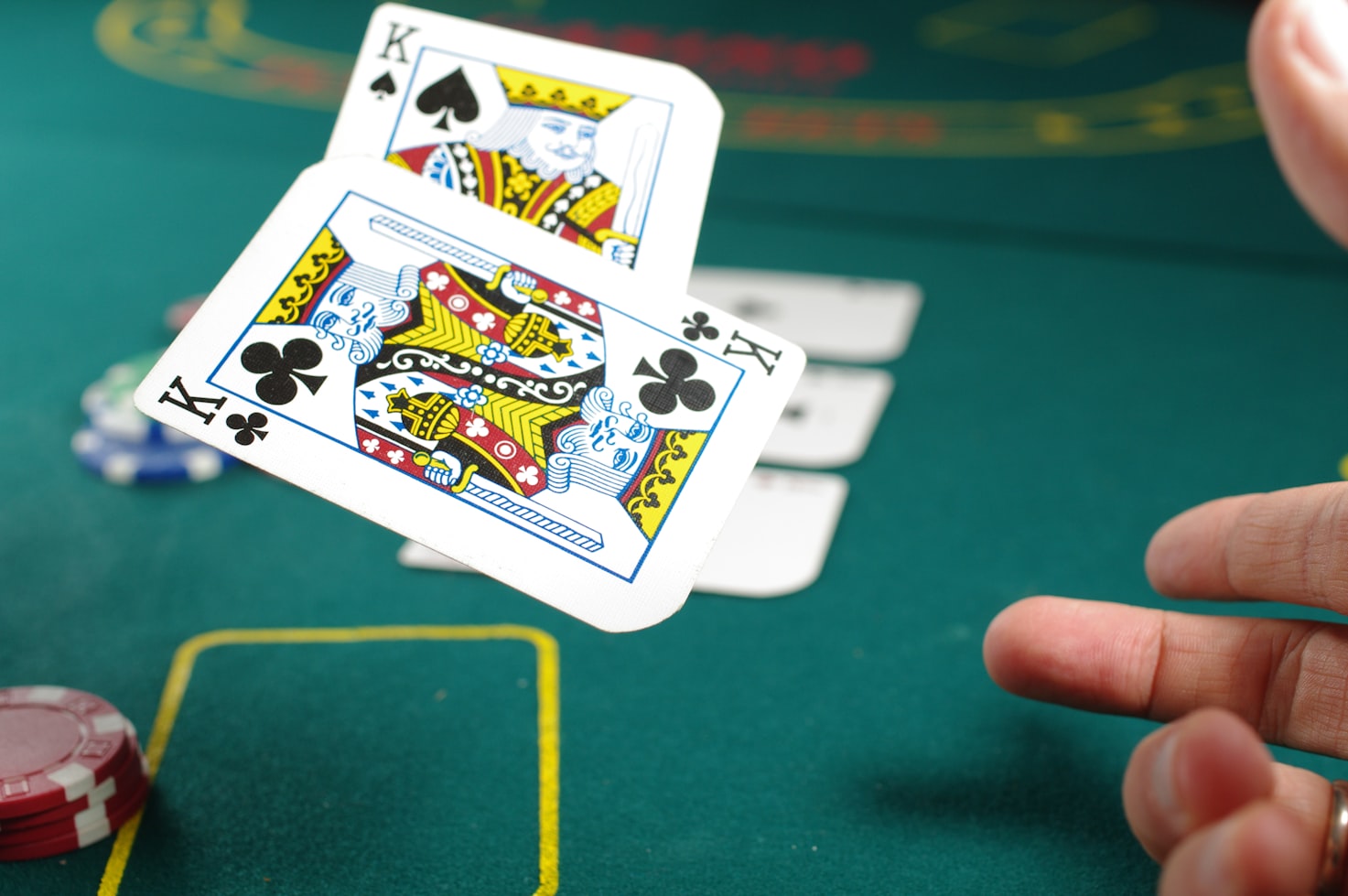
Exploring Our Website

Our website aims to provide resources and insights into the complex world of gambling. We delve into the psychological motivations behind gambling behaviors and offer practical advice for those looking to understand their relationship with gambling. By exploring various factors that influence gambling, we hope to equip our readers with the knowledge they need to make informed decisions.

Whether you’re a casual gambler or someone seeking support for gambling-related challenges, our content is designed to foster understanding and awareness. Join us in exploring the fascinating interplay between psychology and gambling, and find the resources that resonate with your journey.


Comments

Leave a Reply

Your email address will not be published. Required fields are marked *